Source Medical Ce Picosecond Laser Machine for Tattoo Removal
Find 30 verified medical ce picosecond laser machine options for tattoo removal, skin whitening, and wrinkle reduction. Compare specifications, pricing, and certifications from multiple suppliers to select the right equipment for your salon or clinic needs; compare the available evidence and request quotations based on your requirements.
Key considerations
Products List




Comprehensive Sourcing Guide
Medical Ce Picosecond Laser Machine Sourcing Guide
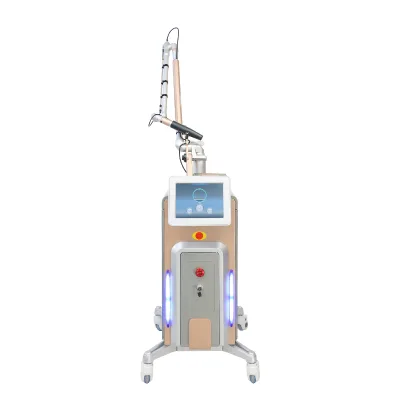
Procuring a medical CE picosecond laser machine requires a disciplined approach to verifying technical performance and regulatory compliance. Buyers must distinguish between general aesthetic devices and those cleared for specific clinical procedures, such as tattoo removal or pigment therapy. The market offers various configurations, including portable and non-portable units, each with distinct operational footprints and cooling requirements. Understanding these physical differences is the first step in aligning equipment with your clinic’s spatial and workflow constraints.
Verification of the laser type is critical, as picosecond technology operates differently from traditional nanosecond systems. Key specifications to scrutinize include pulse width, frequency, and wavelength options, which directly impact treatment efficacy and patient safety. Buyers should confirm that the device supports multiple wavelengths, such as 532nm, 1064nm, and 755nm, to address a broad spectrum of pigment-related concerns. This versatility ensures that the investment remains relevant as treatment protocols evolve and patient demands shift toward more comprehensive skin rejuvenation services.
Product Scope and Observed Listing Signals
The current market landscape for these devices reveals a wide price range, typically spanning from $420 to $150,000 USD, reflecting significant variations in build quality and technological sophistication. Minimum order quantities are often listed as one unit, indicating that suppliers cater to individual clinics rather than bulk distributors. This structure allows buyers to acquire single units for pilot testing or immediate deployment, but it also necessitates careful evaluation of the included accessories and warranty terms to ensure long-term viability.
Observed product attributes highlight a diversity in form factors, with some units described as non-portable while others are marketed as portable. Applications generally target salon and home environments, though the medical certification suggests suitability for professional clinical settings. Buyers should note that customization is frequently available, allowing for tailored software languages and interface adjustments. This flexibility is essential for international operations, ensuring that operators can navigate the 10-inch touch screen interfaces in their native languages without language barriers hindering clinical efficiency.
Technical Specifications to Verify
Pulse width and frequency are paramount in determining the precision of pigment disruption. Buyers must verify that the pulse width remains below 12 nanoseconds to achieve the ultra-short pulse duration characteristic of true picosecond technology. Operating frequencies typically range from 1 to 15 Hz, allowing clinicians to adjust treatment speeds based on the area being treated. Confirming these parameters ensures that the device can effectively shatter ink particles or pigment deposits without causing excessive thermal damage to surrounding healthy tissue, which is crucial for patient comfort and recovery time.
Wavelength selection and spot diameter adjustability are equally important for versatile clinical applications. The devices often support wavelengths of 532nm, 1064nm, and 755nm, each targeting different pigment depths and colors. Spot diameters are generally adjustable between 2mm and 10mm, enabling practitioners to switch between precise spot removal and broader skin rejuvenation treatments. Additionally, the cooling system, often combining water circulation and air cooling, must be robust enough to maintain stable output during extended sessions, preventing overheating and ensuring consistent performance throughout the day.
Compliance and Safety Documentation
Regulatory compliance is non-negotiable for medical aesthetic equipment, with CE certification serving as a baseline for market access in many regions. Buyers should request detailed documentation proving adherence to relevant safety standards, such as ISO 13485 for quality management and EN60825 for laser safety. These certifications indicate that the manufacturer has implemented rigorous controls over the design and production processes, reducing the risk of defects that could compromise patient safety or device reliability during clinical use.
Beyond basic certifications, buyers must verify the classification of the laser according to international safety standards. The presence of certifications like RoHS and TGA suggests adherence to environmental and additional regulatory requirements, which may be critical depending on the target market. It is essential to confirm that the aiming beam, often guided by red light, is properly calibrated and does not interfere with the primary laser output. Proper documentation ensures that the device can be legally installed and operated, protecting the clinic from liability and ensuring smooth inspections by local health authorities.
Cost Drivers and Commercial Terms
The final cost of a picosecond laser machine is influenced by several factors, including the complexity of the optical system and the quality of the articulated arms. Devices featuring imported arms, such as those from Korea, often command higher prices due to enhanced durability and precision in handpiece manipulation. Buyers should assess whether the included accessories, such as specialized handles and cooling units, justify the price premium, as these components directly impact the longevity and ease of use of the equipment in a high-volume clinical setting.
Packaging and shipping logistics also play a significant role in the total cost of ownership. Units are typically packed in aluminum alloy cases or standard shipping boxes, designed to protect sensitive optical components during transit. Buyers should clarify whether shipping costs are included in the quoted price and verify the dimensions of the packaging, which can range from compact sizes to larger crates measuring up to 92x70x121 cm. Understanding these logistical details helps in planning warehouse space and installation requirements, avoiding unexpected expenses related to freight and handling.
Supplier Qualification and Quality Control
Evaluating the supplier’s manufacturing capabilities is essential to ensure consistent product quality. Buyers should inquire about the origin of key components, such as the laser source and control software, to assess the reliability of the supply chain. Suppliers based in regions like Beijing or Shandong often have established ecosystems for medical device manufacturing, but buyers must verify that these facilities adhere to strict quality control protocols. Requesting factory audit reports or third-party inspection results can provide additional confidence in the manufacturer’s ability to produce defect-free units.
Software and user interface quality are often overlooked but critical aspects of supplier qualification. The device should support multiple languages and offer intuitive controls for adjusting parameters like pulse energy and frequency. Buyers should test the responsiveness of the 10-inch touch screen and verify that the software allows for easy updates and troubleshooting. A supplier that provides comprehensive training materials and responsive technical support is more likely to ensure a smooth implementation process, minimizing downtime and maximizing the return on investment for the clinic.
Long-Term Procurement Checks
Ongoing maintenance and service support are vital for the sustained operation of picosecond laser machines. Buyers should establish clear agreements regarding warranty coverage, including the duration and scope of protection for critical components like the laser source and cooling systems. Understanding the availability of spare parts and the lead times for replacements is crucial, as unexpected downtime can disrupt clinical schedules and patient care. A reliable supplier will offer a structured maintenance plan to keep the device operating at peak performance.
Training and clinical support also contribute to the long-term success of the procurement. Buyers should ensure that the supplier provides comprehensive training for operators on safe usage, parameter selection, and emergency procedures. Access to updated clinical protocols and technical support channels ensures that the clinic can adapt to new treatment techniques and resolve any operational issues promptly. By prioritizing these long-term factors, buyers can protect their investment and maintain a competitive edge in the evolving aesthetic medicine market.
FAQs
What certifications does the medical ce picosecond laser machine have?
The machine holds Medical CE, ISO13485, RoHS, En60825, and TGA certifications. These standards ensure safety and compliance for professional use in salons and home settings while meeting international medical device requirements for laser equipment.
Which wavelengths are available on this picosecond laser system?
Available wavelengths include 532nm, 1064nm, 1320nm, and 755nm. These specific laser types enable versatile treatments such as tattoo removal for all colors, skin whitening, and pigment therapy spot removal across various skin tones.
Can the machine be customized for specific salon requirements?
Yes, customization is available for this equipment. Buyers can request tailored features to suit specific operational needs while maintaining the core functionality of tattoo removal and skin rejuvenation provided by the picosecond laser technology.
How is the cooling system designed for this laser device?
The device utilizes a dual cooling system combining water circulation inside with air cooling. This configuration ensures stable operation during high-power sessions, protecting the laser components and ensuring consistent performance for extended treatment periods.
What is the pulse energy range for the 1064nm wavelength?
The pulse energy reaches up to 800mJ for the 1064nm wavelength. This high energy output supports effective pigment treatment and tattoo removal, while the 532nm and 755nm wavelengths offer up to 500mJ for specific applications.
Where are these medical ce picosecond laser machines manufactured?
Manufacturing origins include Beijing, Weifang, and Shandong in China. Different models like US506B and KM-Q-600 originate from these locations, ensuring quality control through established production facilities in the region.
What is the spot diameter range for the laser treatment?
The spot diameter ranges from 2mm to 10mm and is adjustable. This flexibility allows practitioners to target small birthmarks or larger tattoo areas effectively, adapting the beam size to the specific treatment requirements of each patient.